Choosing the Right Material for the Right Job
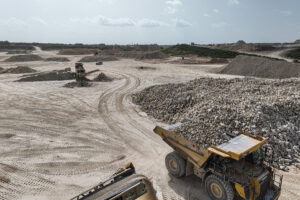
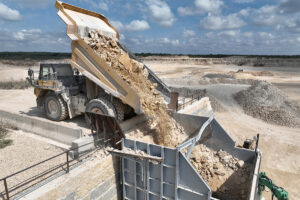
When it comes to construction materials, both granite and limestone are proven materials. Both materials have their unique strengths, but for projects that demand extreme durability, long-term performance, and resilience in harsh environments, granite stands out as the material of choice. Two areas where we really see the superior nature of granite aggregates are in the marine and railway construction industries. Let’s explore why granite is especially well-suited for marine and railway applications.
Engineered by Nature for Strength
Granite is known for its exceptional hardness and density, giving it outstanding resistance to pressure and wear. In environments where materials face heavy loads, constant stress, or exposure to the elements, granite performs with confidence. One of its key advantages is low porosity. This means granite absorbs less water—an important characteristic for applications where moisture resistance is critical. Limestone performs admirably in many settings, but when long-term exposure to water or extreme conditions is expected, granite’s natural toughness provides added assurance. When you expose these rock types to the chemical compounds found in seawater, that is where you will really see a granite material shine, as this rock type absorbs virtually zero of the chemical compounds found in seawater that lead to stone deterioration over time. It’s a specialized product for a specialized project.

Specialized Needs Call for Specialized Materials
Certain projects require a material that can go above and beyond. Granite brings that extra level of resilience where it’s needed most.
Marine Applications:
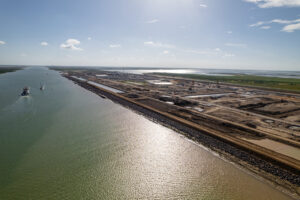
Coastal and marine environments are some of the toughest out there. Granite’s ability to withstand saltwater, wave impact, and continuous abrasion makes it ideal for seawalls, jetties, breakwaters, and other shoreline defenses. Its angular shape also creates a tight interlocking structure, minimizing movement and improving structural stability.

Railway Ballast:
In railway construction, granite is widely chosen for ballast thanks to its durability and structural integrity. It resists crushing under load and maintains its shape over time, helping to keep tracks aligned and well-drained. Its resistance to breakdown reduces maintenance cycles and supports long-term performance.
Choose Confidence. Choose Granite.
Granite and limestone both serve important roles in construction, and selecting the right one depends on the demands of your project. For marine and rail applications where strength, stability, and resistance to the elements are paramount, granite offers a level of performance you can count on. Interested in learning more about how crushed granite can support your next project? Reach out today, we’re here to help you build smarter.